
HoloWaifu vs Amica
A calm, high-level comparison meant to help you decide what kind of companion experience you want. Products evolve — always check official pages for the latest details.
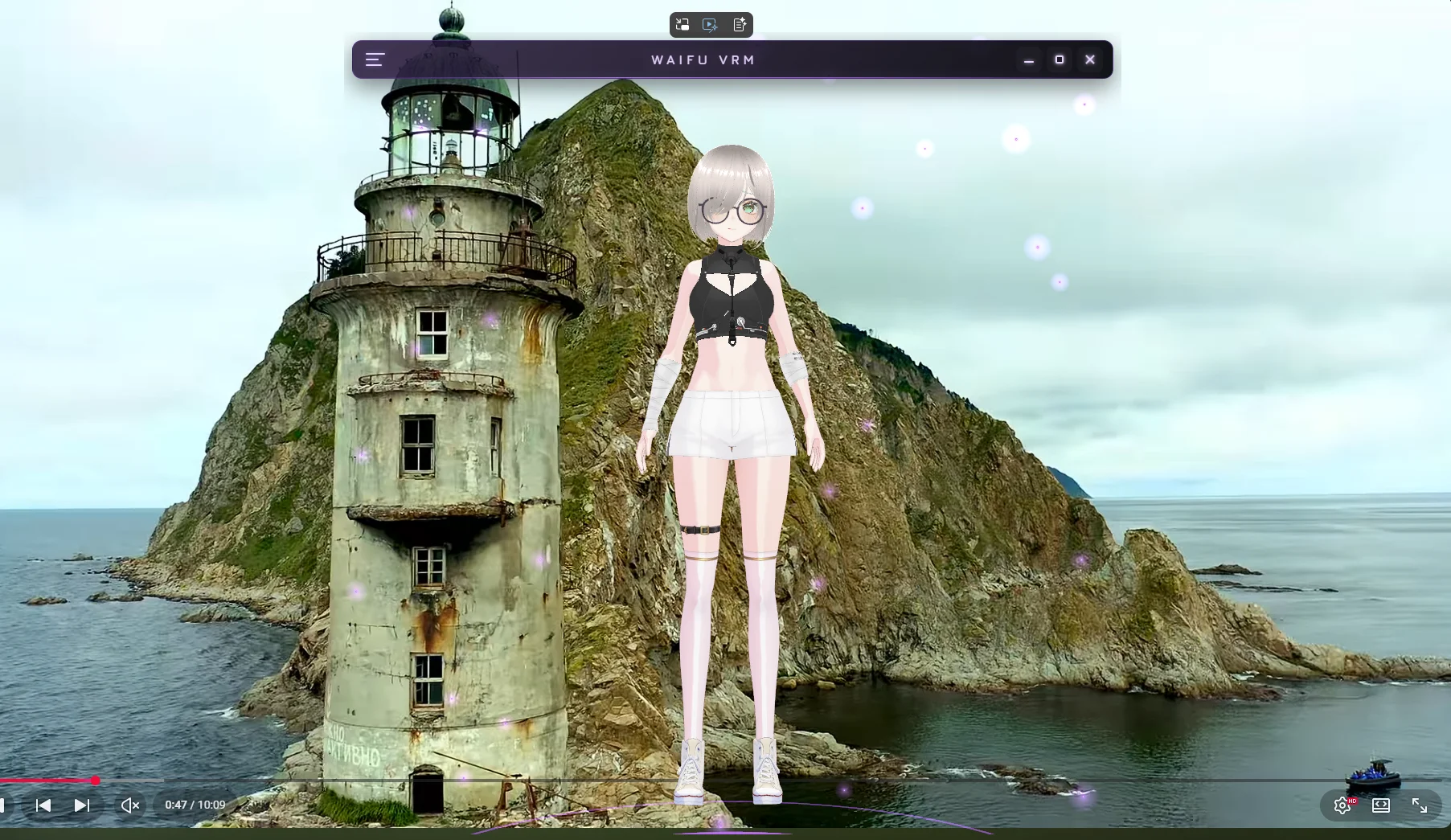
What it is
Amica and HoloWaifu both aim to make AI companionship feel more human. The main difference is usually in the “shape” of the experience: how you interact, how present the companion feels, and what the product is built around.
- Both can support voice-centric companionship
- Both can be used for conversation, comfort, and daily routines
- Best choice depends on whether you prefer desktop presence or a different workflow
Note: “Amica” is a trademark of its respective owner. This page is not affiliated with or endorsed by them.
Focus & fit
What it focuses on: Amica is often chosen by people who want an AI companion experience with its own interaction style and ecosystem.
What HoloWaifu focuses on: “Desktop presence”: a VRM avatar as an always-on overlay, voice conversation, and privacy-first controls for daily use on Windows.
Who it’s for: Choose based on your preferred vibe: desktop overlay companionship and VRM customization (HoloWaifu), or an alternative workflow (Amica).
Use cases
Here are a few neutral “fit check” scenarios to help you decide:
- You want a companion visible while you work or game → desktop overlay style matters
- You care about VRM avatars and on-screen presence → avatar-first design matters
- You mainly want chat in a dedicated interface → workflow and app style matters
Privacy & CTA
If privacy and comfort are your priority, look for clear settings and predictable behavior. HoloWaifu is built with privacy-first principles and desktop-friendly controls.
- Clear voice permissions and comfort settings
- Designed for long sessions and daily use
- Made to feel present without being invasive